
Informativni centar Nacionalnog parka Olimp
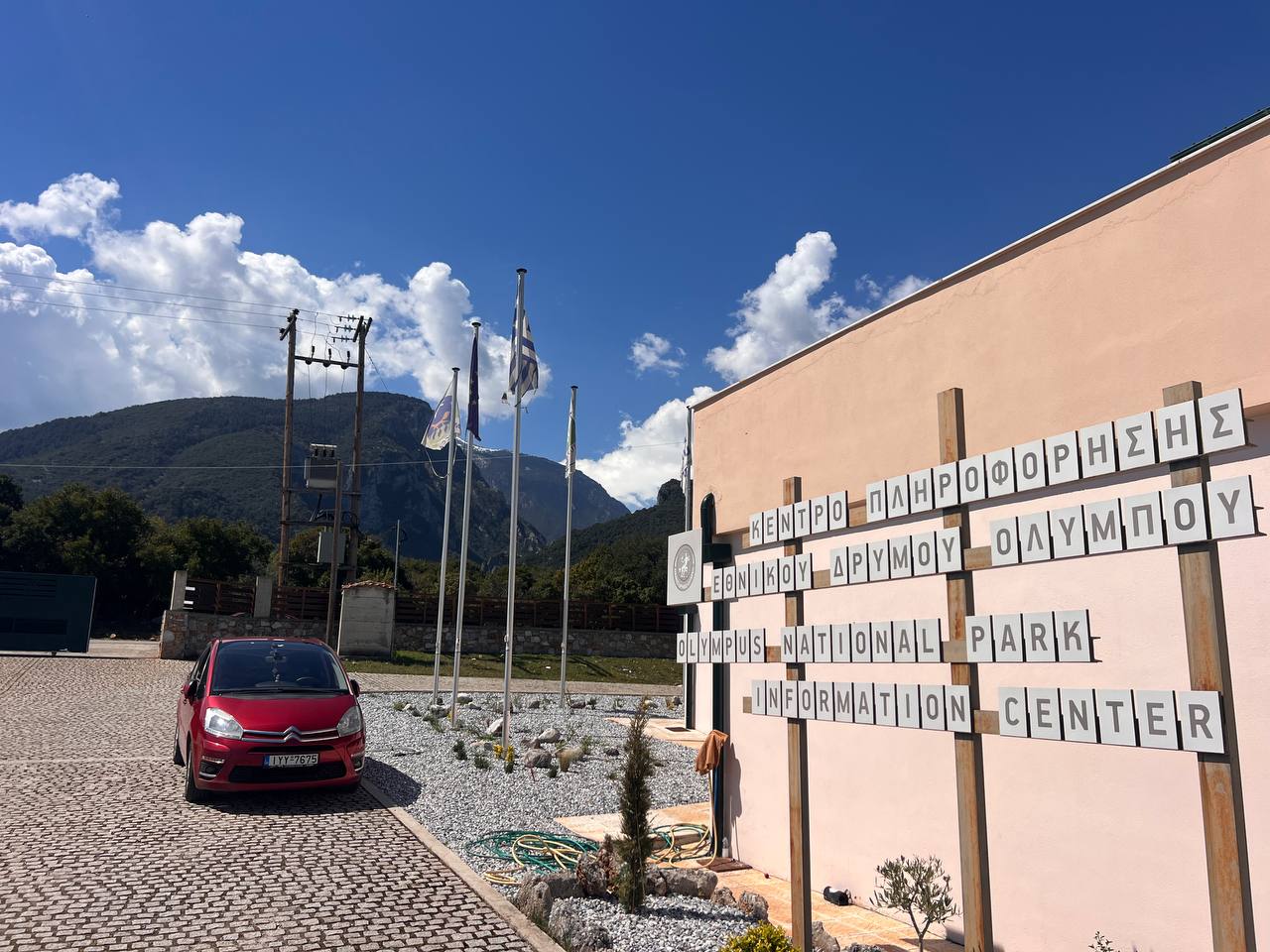
The Mount Olympus National Park Information Center near Litochoro is the main visitor centre for travellers exploring Mount Olympus National Park. Many visitors combine a trip to the information centre with hiking in the national park. If you are looking for accommodation nearby, read our guide on where to stay near Mount Olympus before planning your visit.
Sadržaj
The Mount Olympus National Park Information Center near Litochoro is the main visitor centre.
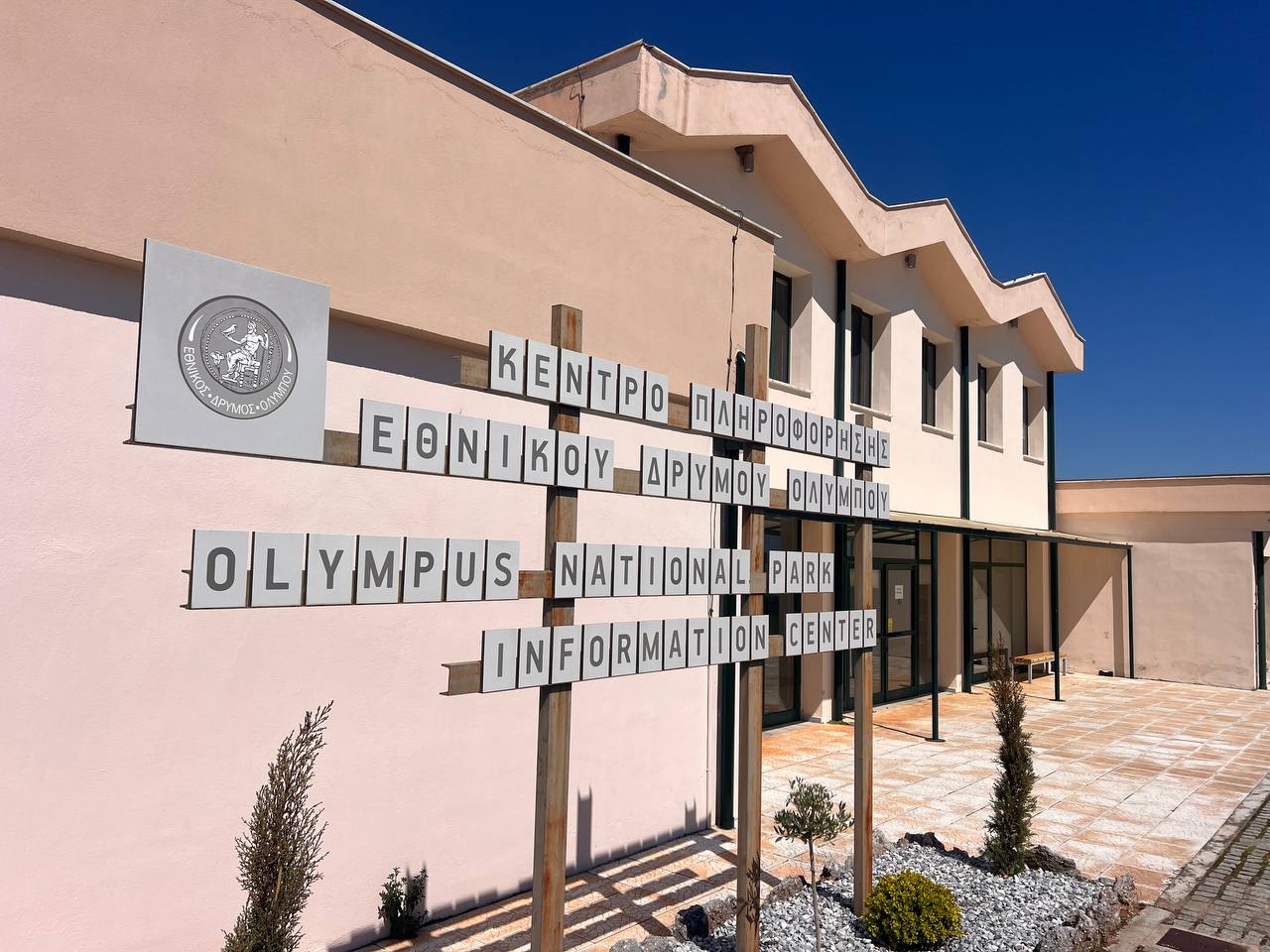
Mount Olympus National Park Information Center near Litochoro is the main visitor centre for travellers exploring Mount Olympus National Park in northern Greece. Located only a short drive from the entrance to the park, the centre helps visitors understand the geography, wildlife and mythology of the legendary mountain that in ancient Greek culture was believed to be the home of the gods.
If you are staying at Prado Apartments in Litochoro Limani, the Mount Olympus National Park Information Center is only about 8 km away, making it a convenient first stop before heading towards the hiking routes and mountain landscapes of Mount Olympus.
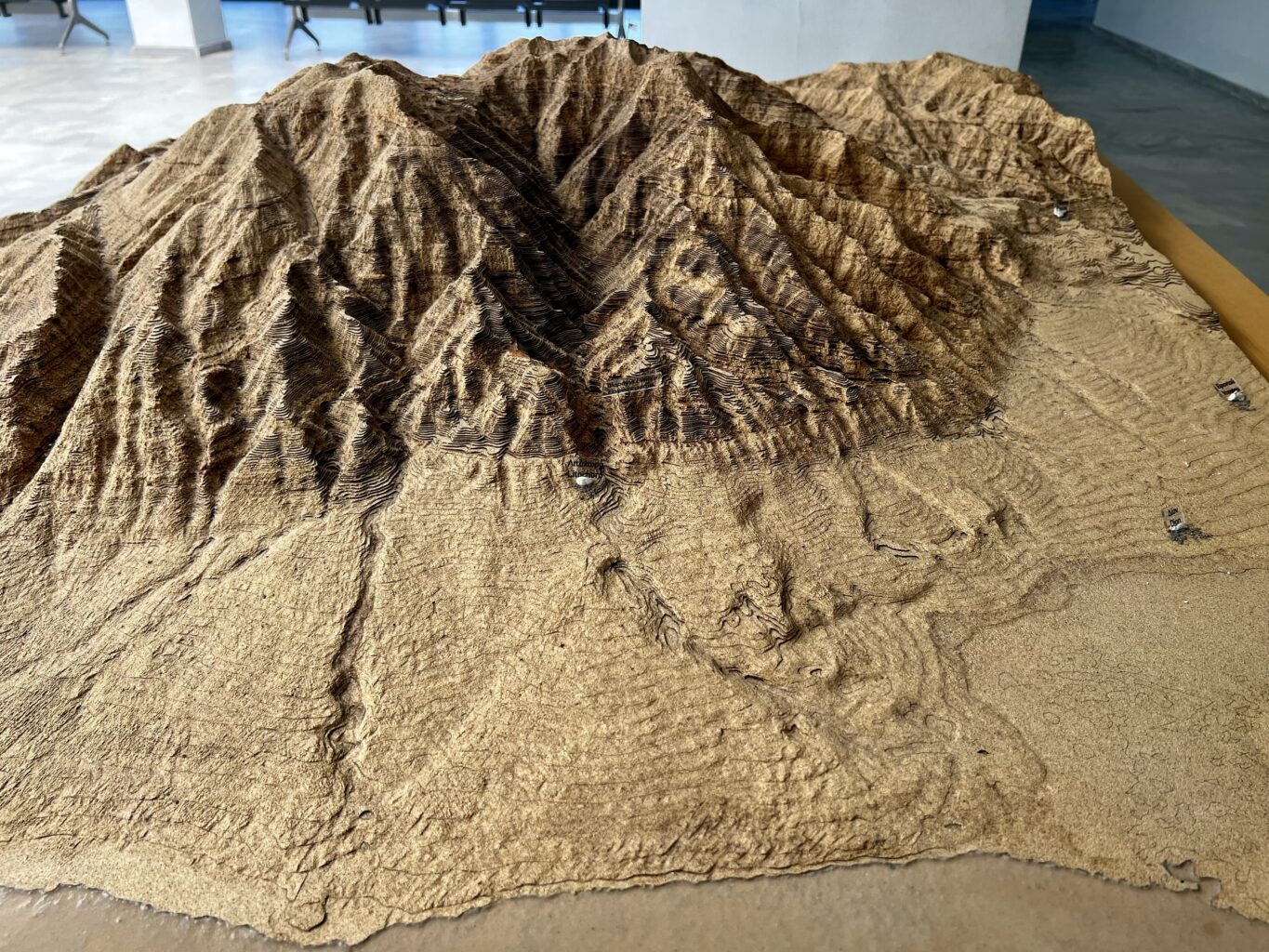
Inside the visitor centre travellers can explore exhibitions explaining the geology, biodiversity and cultural history of Mount Olympus National Park. Interactive displays, relief maps and educational materials introduce visitors to the mountain massif and the ecosystems that make Olympus one of the most important protected areas in Greece.
Mount Olympus is the highest mountain in Greece and rises to 2,918 metres at the summit of Mytikas. The national park surrounding the mountain was established in 1938 and covers an area of about 238 square kilometres. Because of its unique ecosystems and exceptional biodiversity, the region has been protected for decades and remains one of the most fascinating natural destinations in the country.
The biodiversity of Mount Olympus National Park is remarkable. Scientists have identified more than 1,700 plant species in the area, including many endemic plants that grow nowhere else in the world. The mountain is also home to rare wildlife species such as chamois, foxes, birds of prey and a wide variety of butterflies.
Geology and History of Mount Olympus
Mount Olympus has a unique geological structure and represents what geologists call a tectonic “window”. Its geological history began about 250 million years ago, when much of Greece was covered by the shallow Tethys Sea. Over millions of years marine sediments accumulated on the seabed, forming layers of limestone and dolomite created from shells of ancient marine organisms.
Through tectonic movements, volcanic activity and the slow collision of continental plates, these underwater formations gradually rose above the surface. Eventually the mountains of Greece were formed, including the Pelagonian mountain range that stretches from Macedonia to northern Evia.
During the Ice Age, glaciers and melting ice streams carved deep ravines and valleys across the massif. These powerful natural forces transported enormous quantities of crushed rock from the mountain slopes down toward the foothills and the sea. As a result, Mount Olympus developed the dramatic landscape we see today: steep cliffs, deep gorges, narrow canyons and sharp rocky summits.
The circular mountain massif covers an area of nearly 500 square kilometres and includes more than 55 peaks above 2,000 metres. The highest peaks surround the famous Plateau of the Muses, including Mytikas, Skolio and Stefani.
Mount Olympus also holds enormous cultural importance. According to ancient Greek mythology it was the abode of the twelve Olympian gods. Ancient traditions describe how the gods held their councils on the summit of Olympus and how the throne of Zeus was hidden among the clouds.
The foothills of Olympus contain traces of human history dating back thousands of years. Archaeological discoveries include prehistoric settlements and ancient cities such as Dion, Leivithra and Pythio.
Exploring Mount Olympus from Litochoro
After visiting the Mount Olympus National Park Information Center, many travellers continue towards the mountain road leading to Prionia, one of the main starting points for hiking routes on Mount Olympus. From Prionia hikers can access trails that pass through forests, waterfalls and alpine landscapes before reaching the higher slopes of the mountain.
The nearby town of Litochoro is widely known as the gateway to Mount Olympus. Its traditional architecture, cafés and small tavernas make it an ideal place to prepare for mountain excursions or relax after a day of hiking.
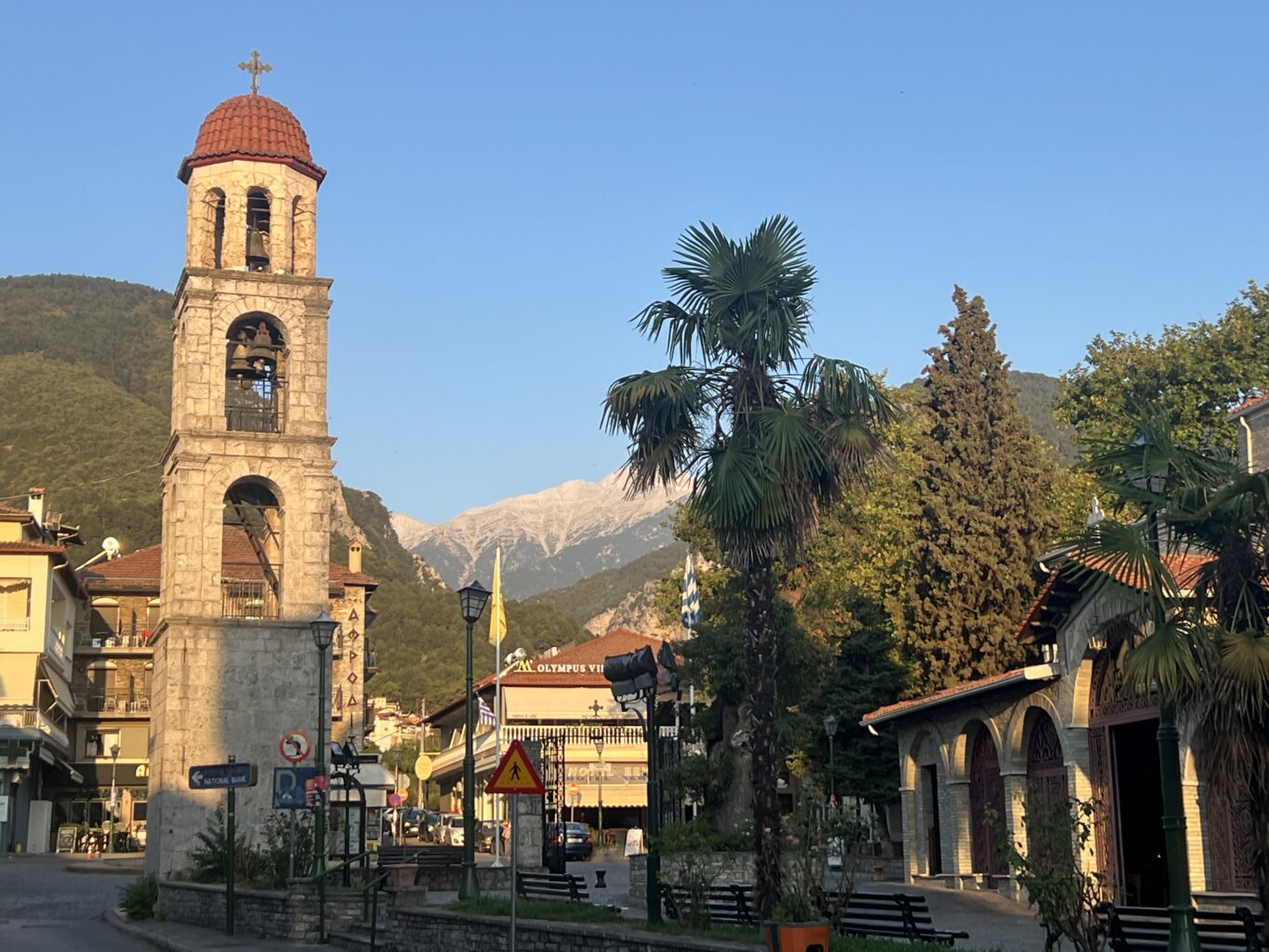
Visitors often combine their mountain adventure with time by the sea. The beaches of the Olympus Riviera are only a few minutes away from Litochoro Limani, allowing travellers to enjoy both alpine landscapes and coastal relaxation during the same trip.
For more ideas about exploring the region, see our guide to the best things to do near Mount Olympus.
Where to Stay Near Mount Olympus
If you are planning to visit Mount Olympus National Park, staying in Litochoro Limani offers the perfect balance between mountain nature and the seaside atmosphere of the Olympus Riviera.
Prado Apartments offers comfortable sea view accommodation in Litochoro, located just 200 metres from the beach and a short drive from the entrance to Mount Olympus National Park. Guests can enjoy peaceful surroundings close to nature while still having easy access to hiking routes, traditional Greek tavernas and the coastal landscapes of the Olympus Riviera.
Explore our sea view apartments in Litochoro or view the exact location of Prado Apartments on Google Maps.
Frequently Asked Questions
Where is the Mount Olympus National Park Information Center located?
The Mount Olympus National Park Information Center is located near the town of Litochoro in the region of Pieria in northern Greece, about 8 km from Prado Apartments and the Olympus Riviera coast.
What are the opening hours of the Information Center?
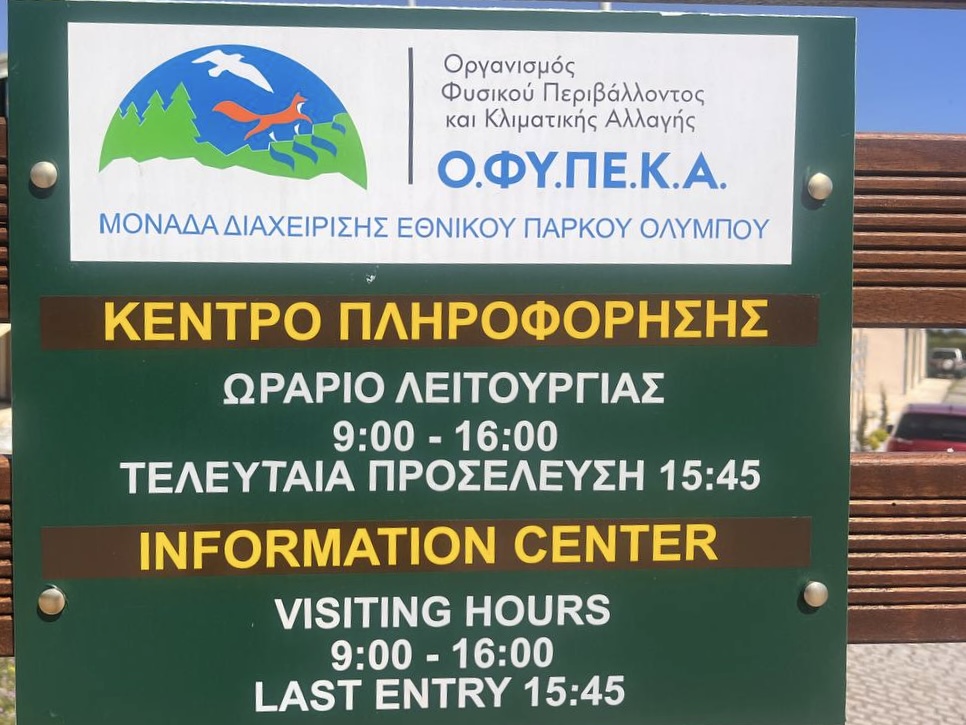
The center is open daily from 9:00 to 16:00. Last entry is at 15:45. Hours may vary by season, so it is worth checking before your visit.
What can visitors see at the Information Center?
Visitors can explore exhibitions about the geology, wildlife and mythology of Mount Olympus, including a detailed 3D relief model of the mountain massif and information about hiking routes in the national park.
Is the Information Center worth visiting before hiking?
Yes. The center helps visitors understand the geography of Mount Olympus and plan hiking routes safely before entering the national park.
How far is the Information Center from Prado Apartments?
The center is about 8 km from Prado Apartments in Litochoro Limani — approximately 10 minutes by car.
Vaša baza
Gritsa Beach, the Enipeas Gorge, Dion, the mountain — Prado Apartments puts you minutes from all of it. A comfortable, well-placed stay between Mount Olympus and the Aegean Sea.
Most visitors don’t realise how much there is to do here. Give yourself enough time to find out.
